
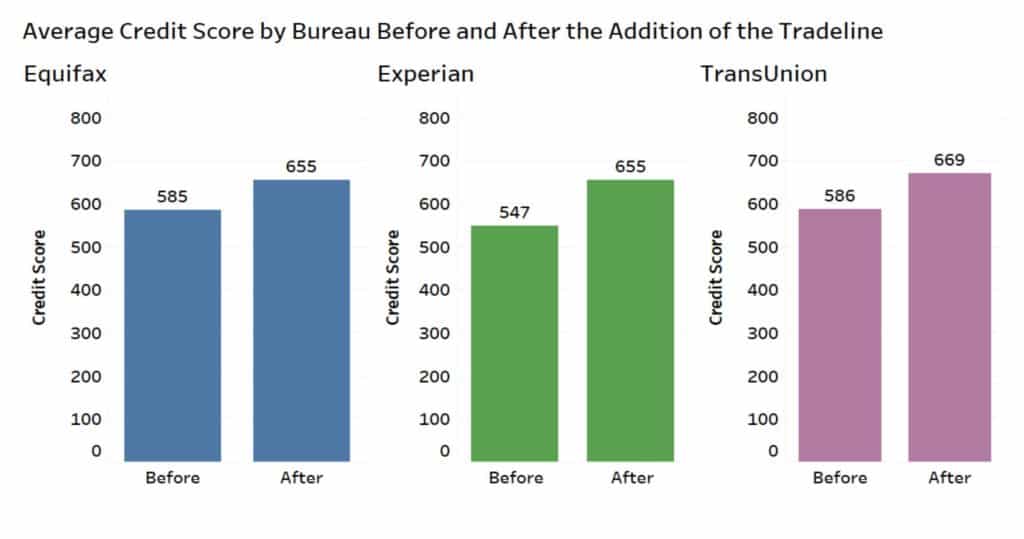
Most people think tradelines are a quick fix for credit scores. The truth is, understanding how authorized user tradelines affect your credit profile takes time and clear knowledge. This guide breaks down which credit score factors tradelines influence, realistic reporting timelines, and what responsible credit use looks like. Have questions? Book a complimentary consultation with Superior Tradelines to review your goals and options. Learn more about credit tradelines to build a strong foundation.
Table of Contents
Understanding Authorized User Tradelines
Tradelines can be tricky, but they don’t have to be. Let’s explore what tradelines are and how they can influence your credit profile.
What Are Tradelines?
Tradelines are credit accounts listed on your credit report. They show your borrowing and repayment history. When you become an authorized user on someone else’s account, that account can appear on your credit report. This includes the account’s payment history, credit limit, and balance. Tradelines like these can help build your credit profile. To dive deeper, you can check out more about credit tradelines.
How Tradelines Impact Credit Profiles
Tradelines impact your credit by showing credit history, which can make a big difference in your credit profile. They can add positive payment history and increase your available credit limit, which might improve your credit score. Keep in mind that results vary based on your existing credit file. Sometimes, adding a tradeline has a noticeable effect, while other times it doesn’t. The realistic results of tradelines can help you understand more.
Tradelines Reporting and Timeline
Tradelines are typically reported to credit bureaus within one or two billing cycles. That means you might start seeing changes in your credit profile relatively soon. However, the impact can fade if the tradeline is removed. It’s important to have realistic expectations about how long the benefits last. You can learn about reporting timelines.
Key Credit Score Factors

Understanding the key factors that affect your credit score is crucial. Let’s look at credit utilization, the importance of credit age, and how payment history plays a role.
Credit Utilization Explained
Credit utilization is the ratio of your credit card balances to your credit limits. It’s a major factor in your credit score. Keeping utilization below 30% is generally recommended. High utilization can hurt your score, while low utilization can help improve it. Remember, a lower utilization rate shows lenders you’re responsible with credit. For more tips on building credit, explore strategies.
The Importance of Credit Age
The age of your credit accounts can impact your score significantly. Older accounts with a good history show lenders you have experience managing credit. Young credit files might benefit from adding seasoned tradelines, which are accounts with several years of positive history. This can help increase the average age of your credit accounts. Understanding credit profile numbers is important.
Payment History and FICO Score
Payment history is the largest factor in your FICO score. Consistent, on-time payments build a strong credit profile. Late payments can significantly hurt your score. Tradelines with a history of on-time payments can help strengthen this part of your credit report. Knowing what lenders look for is crucial when preparing your credit profile.
Making Informed Tradeline Decisions

Choosing the right tradeline provider and using credit responsibly can help you achieve your goals. Here’s how to make those decisions wisely.
Comparing Tradeline Providers
Not all tradeline providers are created equal. It’s important to research and compare options. Look for providers with a good reputation and transparent processes. Consider their experience and customer support. This ensures you work with a provider who aligns with your goals. Discover more about business tradelines.
Responsible Credit Use Strategies
Using credit responsibly is key to maintaining a healthy financial profile. Always pay your bills on time, keep utilization low, and avoid taking on more credit than you can handle. Responsible use can lead to long-term financial stability and opportunities. Building strong credit habits now can pay off in the future.
Planning Your Business Credit Strategy
If you’re a business owner, planning your credit strategy is crucial. Establish strong business credit by maintaining good payment history and utilizing business tradelines. This can open doors to better financing options. A strategic approach ensures your business is prepared for future growth.
Frequently Asked Questions
What is a tradeline in credit terms?
A tradeline is a credit account listed on your credit report that shows borrowing and repayment history.
How can authorized user tradelines affect my credit score?
Authorized user tradelines can add positive payment history to your credit report, potentially improving your credit score, but results vary.
What does credit utilization mean?
Credit utilization is the ratio of your current credit card balances to your credit limits. Keeping it low can positively impact your credit score.
Why is the age of credit important?
The age of your credit accounts impacts your score. Older accounts with a good history show lenders you have experience managing credit.
How does payment history impact my FICO score?
Payment history is the biggest factor in your FICO score. Consistent on-time payments build a strong credit profile, while late payments can damage it.
By understanding how tradelines work, you can make informed decisions about your credit profile. While tradelines offer opportunities, they require careful consideration and responsible use.


