
Credit profile numbers often sound like a quick fix for rebuilding credit, but they carry serious risks you might not expect. Many wonder, “Is a credit profile number legal?” The truth is, mixing these numbers with your SSN can lead to identity theft and legal troubles. Let’s explore why relying on credit privacy numbers is risky and how responsible methods like authorized user tradelines can strengthen your credit profile over time. Have questions? Schedule a complimentary credit education call with Superior Tradelines. Let’s review your goals together.
Table of Contents
Understanding Credit Profile Numbers
Credit profile numbers can seem mysterious, but understanding them is crucial for your financial health. Let’s break down what they are, how they differ from your Social Security Number, and their legal status.
What is a Credit Profile Number?
A credit profile number is a nine-digit identifier often marketed as an alternative to a Social Security Number (SSN). Some claim it offers privacy or a fresh start for credit. However, these numbers aren’t issued by any government agency. They’re not official substitutes for your SSN, and using them can lead to serious legal issues.
Companies promoting these numbers often target people with poor credit scores. They promise a clean slate but rarely deliver on this promise. Instead, they can put you at risk of fraud. It’s important to know that reputable credit repair doesn’t involve avoiding your credit history. Instead, it focuses on improving your existing score responsibly.
SSN vs Credit Profile Number
Your SSN is a unique identifier assigned by the government. It’s used for tracking earnings, benefits, and, importantly, your credit history. A credit profile number, on the other hand, lacks legal standing. Using one in place of an SSN can lead to legal trouble. It’s crucial to understand that a CPN isn’t a fresh start.
Relying on a CPN can complicate your financial life. For example, applying for loans or credit with a CPN could be considered fraud. This is because you’re misrepresenting your true financial history. In contrast, focusing on improving your credit score through traditional means, like paying bills on time, is both legal and effective.
Is a Credit Profile Number Legal?
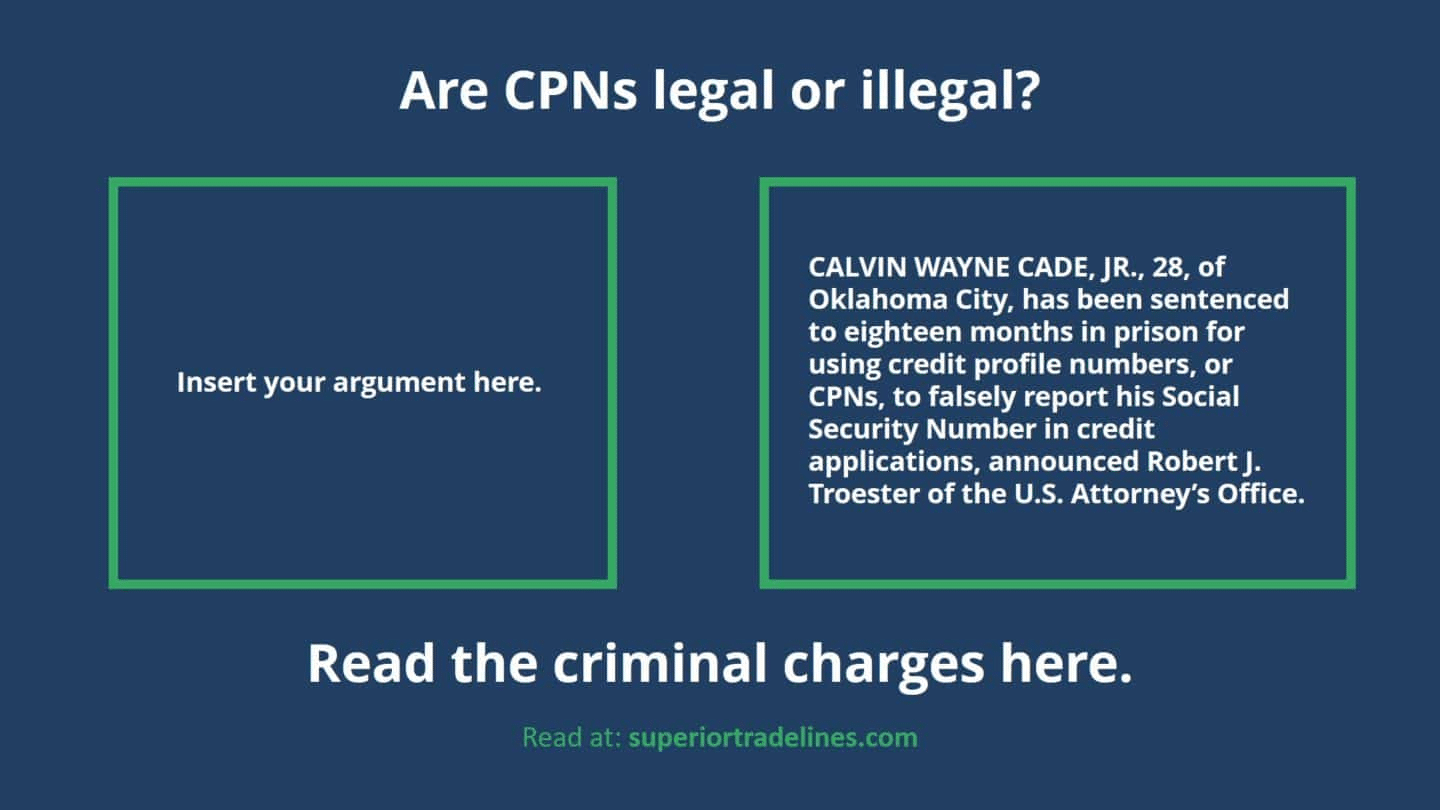
Simply put, a credit profile number is not a legal substitute for your SSN. The Federal Trade Commission (FTC) cautions against using them. Companies selling these numbers often promise to help you establish a new credit identity. However, using a CPN can lead to fines or even jail time.
It’s better to focus on legitimate credit-building strategies. These include paying down debt and adding positive tradelines. For more on the legality and implications of CPNs, check out this Reddit discussion.
Risks Associated with Credit Profile Numbers

Understanding the risks associated with CPNs is essential. From identity theft to legal consequences, here’s why you should be cautious.
Identity Theft Risks
Using a credit profile number can expose you to identity theft. When you purchase a CPN, you’re often asked for personal information. This can include your name, address, and even your SSN. Sharing this data with unverified sources increases the risk of misuse.
Fraudsters might use your details to apply for credit in your name. This could leave you with debts you didn’t incur. Your credit score could drop, making it harder to secure loans in the future. Protect yourself by sticking to trusted credit-building methods, like those outlined by Chase’s credit education.
FTC Consumer Advice
The FTC warns against the use of CPNs. They advise that these numbers are often linked to fraudulent activities. Using one can damage your credit profile instead of helping it. The FTC’s advice is to avoid any service promising a new credit identity.
Instead, focus on improving your existing credit score. This can be done through responsible financial habits and verified methods. Remember, rebuilding credit takes time and effort, but it’s the safest route.
FCRA Guidance
The Fair Credit Reporting Act (FCRA) provides guidance on maintaining accurate credit reports. It doesn’t recognize credit profile numbers as legitimate. Instead, the FCRA emphasizes the importance of accurate and honest reporting.
Using a CPN violates this principle. It can result in legal action and penalties. Sticking to the truth in credit applications is not just the law; it’s also the best way to achieve long-term financial health.
Smarter Ways to Build Credit

Instead of risky shortcuts, focus on responsible credit-building strategies. Let’s explore methods that truly enhance your financial profile.
Authorized User Tradelines
Authorized user tradelines can be a powerful tool for improving your credit score. By becoming an authorized user on a trusted person’s credit account, you can benefit from their positive credit history. This method is legal and can boost your credit score over time.
However, choose the right account to join. It should have a good payment history and a low credit utilization ratio. Explore more about how tradelines work in this guide.
Credit Score Factors Explained
Your credit score is influenced by several factors:
-
Payment History: Accounts for 35% of your score. Pay bills on time to improve this.
-
Credit Utilization: Represents 30%. Keep balances low relative to your credit limits.
-
Age of Credit Accounts: Makes up 15%. Older accounts can positively impact your score.
Understanding these factors can help you make informed decisions. Improving each component is key to a better credit score.
Responsible Credit Building Strategies
Building credit responsibly involves:
-
Timely Payments: Always pay at least the minimum due on time.
-
Diversified Credit: Use a mix of credit types, like loans and credit cards.
-
Regular Monitoring: Check your credit report annually for mistakes.
By following these steps, you can improve your credit score safely and legally. You’ll not only enhance your financial opportunities but also gain peace of mind.
Frequently Asked Questions
What is a credit profile number?
A credit profile number is a nine-digit number marketed as an alternative to your Social Security Number. They are not legally recognized and can lead to fraud.
Is using a credit profile number legal?
No, using a credit profile number in place of your SSN is not legal. It can lead to fines or even jail time due to fraud.
How can I build credit responsibly?
Focus on paying bills on time, keeping credit balances low, and monitoring your credit report. These steps can help improve your score over time.
What are authorized user tradelines?
Being added as an authorized user on someone else’s credit account can boost your credit score. It allows you to benefit from their positive credit history.
What does the FTC advise about credit profile numbers?
The FTC advises against using credit profile numbers. They are often linked to fraud and can damage your credit standing.


