
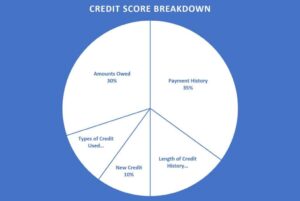
Choosing the right tradeline in 2026 can make a real difference in your credit profile’s growth. Many try adding tradelines without knowing how factors like age of accounts and credit utilization ratio affect their scores. This guide breaks down how to choose a tradeline that matches your goals, budget, and timeline while explaining key credit score factors for models like FICO 8, 9, 10, and VantageScore 3.0 to 5.0. Ready to make informed decisions that support your financial future? Learn more here.
Table of Contents
Evaluating Your Credit Profile
When you start evaluating your credit profile, it’s crucial to understand the basics of authorized user tradelines and assess your credit goals. This foundation will help you make choices that align with your financial objectives.
Understanding Authorized User Tradelines
Authorized user tradelines can be a powerful tool in your credit-building journey. By becoming an authorized user on someone else’s credit account, you may benefit from their positive payment history. This strategy can be especially useful if you have a thin credit file. However, it’s important to remember that while tradelines add positive history, they don’t erase negative items or guarantee score improvements.
Authorized user tradelines have specific reporting cycles, so timing matters. Check with your provider about when the tradeline will report to credit bureaus. Also, remember that outcomes vary depending on your existing credit profile. If your file is thin, you might see more noticeable changes compared to a thicker file.
Assessing Your Credit Goals
Before diving into tradeline selection, clarify your credit goals. Are you aiming to boost your credit score for a mortgage, or are you looking to improve your credit for a business loan? Your goals will guide the type of tradeline you choose. Consider factors like the age of accounts and credit utilization ratio, as these play a significant role in credit scoring models like FICO 8, 9, 10, and VantageScore 3.0 to 5.0.
Make sure to review your current credit report for accuracy. Knowing where you stand helps set realistic expectations for what tradelines can achieve. Remember, tradelines should complement your broader credit strategy, not replace responsible financial habits.
Key Factors in Tradeline Selection

Selecting the right tradeline involves understanding key factors like the age of accounts and credit utilization ratio. These elements can significantly impact your credit score, especially when choosing between primary and authorized user accounts.
Age of Accounts and High Credit Limit
A seasoned tradeline—one with a long, positive history—can be advantageous. Accounts aged 6-10 years often provide the best results, but it’s not just about age. A high credit limit can also contribute positively by lowering your credit utilization ratio. This ratio is a crucial component of credit scoring models.
When evaluating potential tradelines, consider both the age and the credit limit. A high-limit card that’s been active for several years might be your best bet. However, remember that older tradelines don’t always guarantee bigger score gains. It’s about quality over quantity.
Impact of Credit Utilization Ratio
Your credit utilization ratio reflects how much credit you’re using compared to your total available credit. Keeping this ratio low—ideally below 30%—can positively impact your credit score. When selecting a tradeline, look for an account with a low balance relative to its credit limit. This will help maintain or improve your utilization ratio.
Incorporating a tradeline with a high credit limit can reduce your utilization ratio, even if your spending remains the same. This strategy can significantly benefit your credit score over time.
Planning for Successful Tradeline Integration

Successfully integrating a tradeline into your credit profile requires awareness of AU reporting timelines and account longevity. It’s also essential to avoid common pitfalls that could hinder your credit goals.
AU Reporting Timelines and Account Longevity
Understanding when a tradeline will report is key to planning. Timely reporting ensures that the positive impact is reflected in your credit file when you need it most. Additionally, consider the longevity of the account. Accounts that have been open longer generally provide more stability and positive history.
Aligning your tradeline selection with upcoming financial goals, like applying for a mortgage, can maximize benefits. Keep in mind that while tradelines can add positive history, they should be part of a broader credit strategy.
Avoiding Common Pitfalls in Tradeline Choice
When choosing a tradeline, avoid the pitfall of selecting accounts solely based on age or credit limit. While these are important, other factors like the account holder’s payment history and account status also matter. Ensure the account is in good standing and has a history of on-time payments.
Be wary of services promising instant credit boosts or guaranteed results. Credit improvement is a gradual process that involves a combination of strategies. By focusing on quality tradelines and understanding your credit profile, you can make informed decisions that support long-term financial health.
For more insights on tradelines and how they can impact your credit profile, check out Chase’s guide on credit tradelines and our expert comparison of the best tradeline companies in 2026.


